Introduction
Indian kitchens are known for daily cooking, multiple dishes, and frequent use of utensils. While electric appliances are becoming popular, non-electric kitchen tools still play a major role in most Indian homes.
They are simple, affordable, easy to maintain, and do not depend on electricity. From cutting vegetables to kneading dough and cleaning surfaces, non-electric tools are often more reliable for everyday use.
In this guide, we will look at the best non-electric kitchen tools for Indian homes, who they are best suited for, and how to choose the right ones.
Why Non-Electric Kitchen Tools Are Still Important
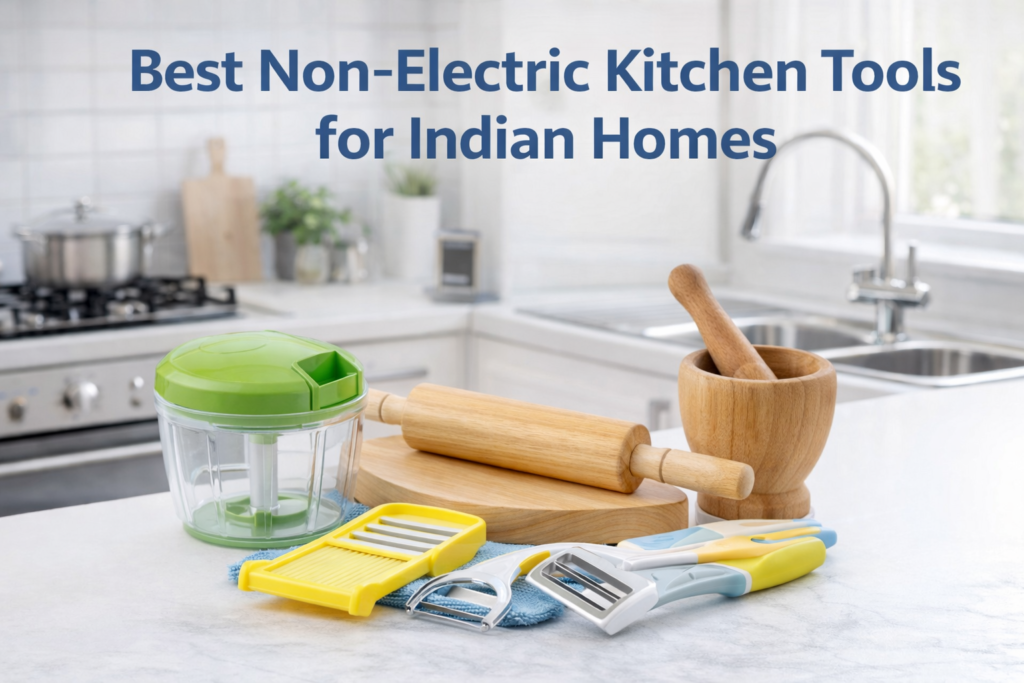
Non-electric tools remain popular in India because they are:
- Easy to use for all age groups
- Affordable and long-lasting
- Safe (no electrical or battery issues)
- Ideal during power cuts
- Low maintenance
For many households, especially small families, elderly users, and rental homes, these tools are more practical than electric appliances.
Types of Non-Electric Kitchen Tools You Should Have
1. Manual Vegetable Choppers
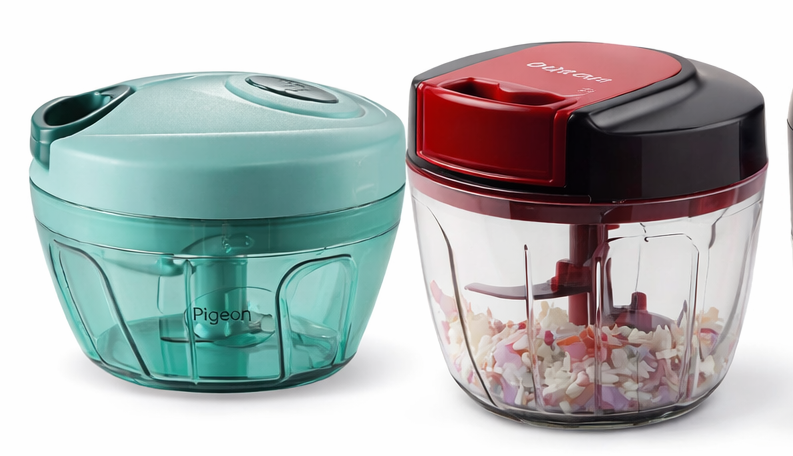
Manual choppers are widely used in Indian kitchens.
Types include:
- Pull-string choppers
- Press-down manual choppers
Best for:
- Onions, tomatoes, green chillies
- Small quantities of vegetables
They are compact, easy to clean, and require no electricity.
👉 Check the best manual vegetable choppers on Amazon
2. Peelers, Slicers & Cutters
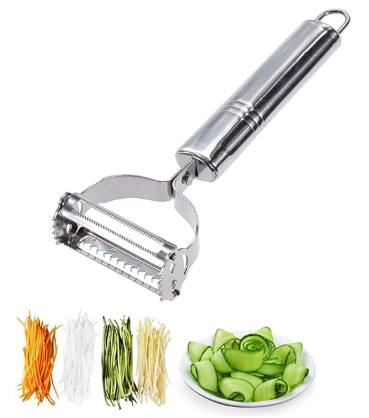
These tools reduce preparation time significantly.
Common options:
- Vegetable peelers
- Hand slicers
- Graters
Why useful:
- Faster chopping
- Consistent cuts
- Less effort on hands
👉 Check the best Multifunction Stainless Steel Vegetable Peeler Shredder Grater on Amazon
3. Dough Preparation Tools
For homes that prepare chapatis or rotis daily, non-electric dough tools are very helpful.
Examples:
- Dough kneaders
- Rolling boards & pins
They provide better control and last for years.
4. Mortar & Pestle (Traditional Tools)
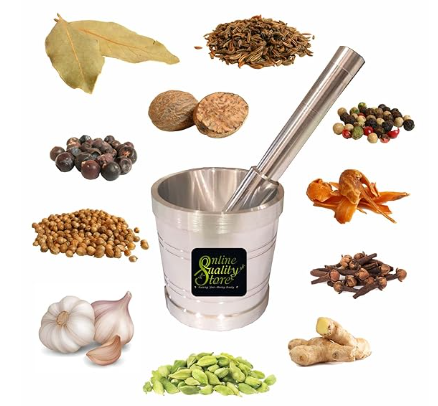
Still widely used for grinding spices, ginger, garlic, and herbs.
Advantages:
- Better flavour release
- No electricity needed
- Long life
👉 Check the best Mortar and Pestle Set on Amazon
5. Kitchen Cleaning Tools (Non-Electric)
Cleaning is a major part of kitchen work.
Essential tools include:
- Scrubbers & brushes
- Slab cleaners
- Microfiber cloths
👉 For a detailed guide, check:
Best Kitchen Cleaning Tools for Indian Homes (2026 Guide)
Manual vs Electric Tools – When Non-Electric Is Better
Non-electric tools are a better choice when:
- You cook in small quantities
- You want low maintenance
- You don’t want charging or wiring
- Elderly family members use the kitchen
- You want portability
For larger families or bulk cooking, electric tools may help, but non-electric tools are still sufficient for most daily tasks.
👉 You can also read:
Is an Electric Chopper Worth Buying for Indian Kitchens? (2026 Guide)
Best Non-Electric Kitchen Tools for Different Users
For Small Families
- Manual choppers
- Peelers & slicers
For Elderly Users
- Press-down choppers
- Lightweight tools
For Rental Homes
- Compact, non-breakable tools
- Easy-to-store items
Pros and Cons of Non-Electric Kitchen Tools
Pros
- No electricity required
- Affordable
- Easy maintenance
- Durable
Cons
- Slightly slower than electric tools
- Requires manual effort
- Not suitable for large quantities
Buying Checklist Before You Choose
Before buying non-electric kitchen tools, check:
- Build quality
- Comfort and grip
- Ease of cleaning
- Storage space required
- Material safety
Avoid very cheap tools that wear out quickly.
Final Thoughts
Non-electric kitchen tools continue to be the backbone of Indian kitchens. They are simple, reliable, and practical for everyday cooking needs.
Choosing the right tools can:
- Save time
- Reduce effort
- Improve kitchen efficiency
For most Indian homes, a combination of manual tools and a few electric appliances works best.
Call to Action (CTA)
👉 Explore useful non-electric kitchen tools on Amazon
Choose reliable, value-for-money options that suit Indian cooking habits.